By Ben Byrne
As the tidal wave of RTDs continues to surge, spirits brands need to create innovations
we can genuinely love, or risk drowning in a sea of meh. Last year, we explored what the
RTD path to premium might look like. Today, we’re going to delve into what big brands
need to do to create the best RTD version of themselves, without diluting what makes
them special.
RTD 2026: State of Play
In the years since the pandemic, we’ve seen a deluge of hopeful new players putting
their spin on a format originally driven by cheeky portability. Now, we can see some
clear ground starting to emerge.
At the premium end, we’ve got ‘cute and classy.’ Liquid-led brands that oFer a casual
but authentic cocktail experience in miniature – your mixologist in a can. MOTH are the
rising UK champion, their stubby little cans symbolic of proper grown-up potency.
For consumers on the brand side too, small often signals better. Tip Top, Reina,
Pimentae, Tom Savano – it’s the independents and craft startups who are trusted to
deliver on genuine cocktail quality, with more mainstream oFerings seen as mostly ‘hit
and miss.’
Honestly, this is nuts. Even if financial reality means many of the little guys will struggle
to stay afloat, it’s a massive fumble that, say, no global tequila brand has yet nailed the
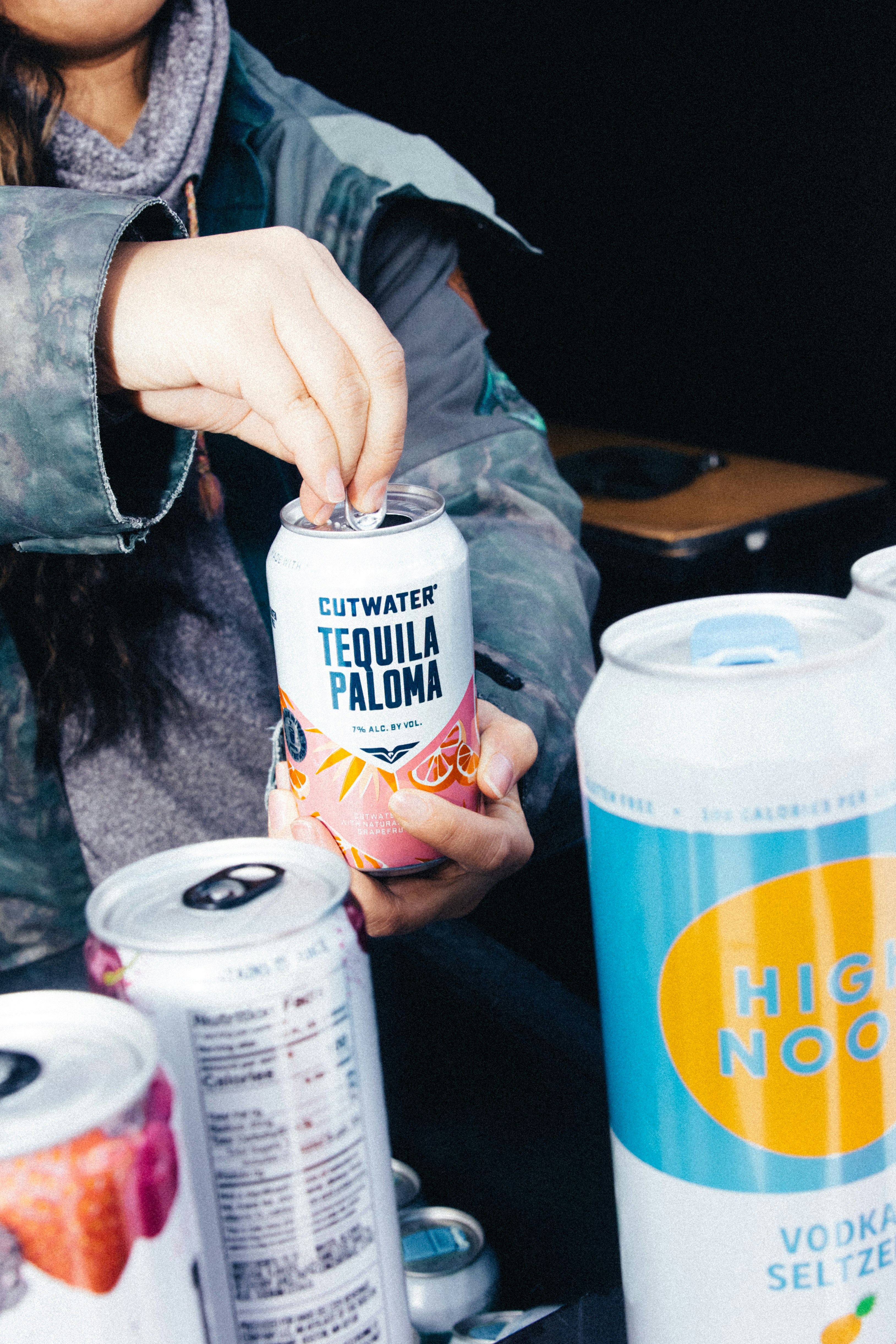
iconic go-to RTD Margarita, or Paloma. Cutwater currently claim the crown in the US,
while in the UK, the benchmark for tasty is still set by M&S, a premium supermarket best
known for overpriced nibbles and sandwiches.
On the other end of the spectrum (though honestly – still not cheap) we have what we
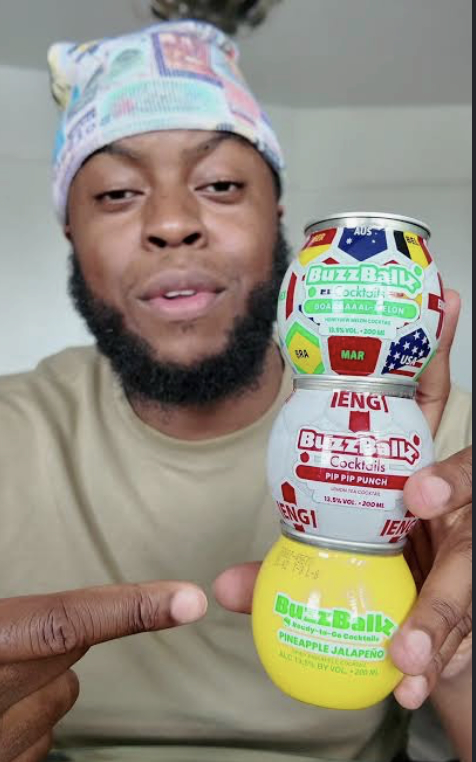
might call next-gen Alcopops, exemplified in extremis by Buzzballz, now the UK’s
bestselling RTD, and playing the role for Gen Z that SmirnoF Ice once did for their
parents. Vibrant, colourful, and mostly spirit-agnostic, amped-up flavours rule supreme
– at the same time, toying with what flavour actually means (see Pink Lemonsqueezy, or
the latest tie-in with Pop-Tarts.)
And then in the middle . . . we have a vast watery swamp of spiked sodas, twisted teas
and not-really-hard seltzers. For all their volume and shelf-space, we can’t help but seea morass of functional, generic, ultimately boring brands that promise little and deliver
less. Blame White Claw, if you like, for persuading people that clean can be fun. But it’s
worth remembering that hard seltzer has struggled to find a footing outside of the US,
and that even White Claw have recently pivoted toward flavour in the form of ClawTails,
a kind of fruity seltzer-‘cocktail’ hybrid.
Truth is, it’s hard enough to even stand out on shelf here. Despite a push to punchier
ABV, a shift from malt to spirit-based formulations, this segment of the category is
ultimately defined by function and format, not liquid or taste.
Global brands stumble into this swamp at their peril. The risk lies in presenting a bland
version of themselves, and ultimately punching below their weight.
It’s telling how joyless even an Aperol Spritz seems when squeezed into a generic,
330ml slimline can.
So What's a Global Player to Do?
First: re-imagine what RTDs actually mean.
For a long time, RTDs have been seen as a convenience purchase. Quick. Easy. Low
stakes. Low engagement. But from our conversations with consumers across markets
over the past year, we sense that their real value goes much deeper.
Fundamentally, they’re about pleasure. Laughing with mates on the way to a party.
Kicking oF your shoes after a long hard day. They’re about little gulps of gladness,
moments of happiness won from a hostile world. At best, they don’t dilute experience –
they dial it up.
Let’s look at two examples from opposite ends of the spectrum: the oldest and the most
current. At first glance, there’s a world of diFerence between a Buzzballz Pineapple
Jalapeño and a mini Campari Soda. But look closer, and they’re doing a lot of the same
things really well.
In shape and format, they’re pure vehicles of brand. For Buzzballz, that means play.
Vibrant colours, oF-the-wall flavours, a quirky, tactile package you instinctively want to
hold. For Campari, it’s elegance. Look at the classy conical shape, admire the vivid
crimson liquid, feel that textured Italian glass!
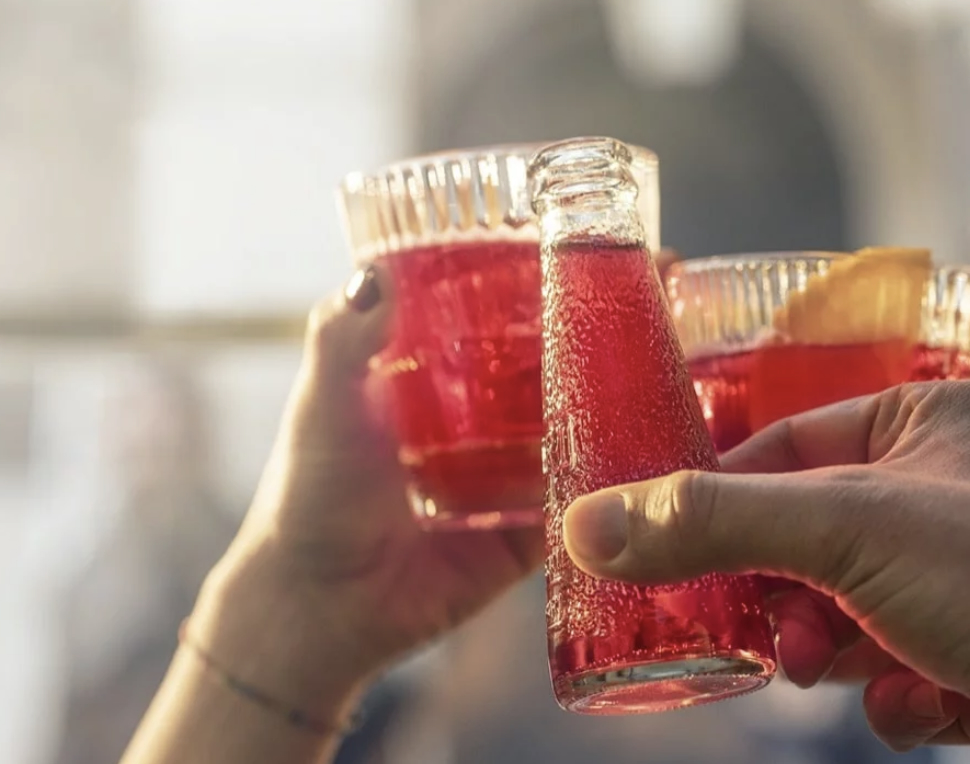
Everything signals pleasure – a ritual invitation to enjoy. Nothing is generic; all is alluring.
Despite very diFerent audiences, both promise big smiles from little packages –
magnification, not dilution.
So we warn global spirits brands against watering down – literally or figuratively – to
meet today’s mainstream RTD market. Instead, to win its future, they need to level up –in a way that feels uniquely true to themselves. Amplify sensorials. Play with format. Re-
think serve. Go deep on delicious.
Above all, see RTD as an opportunity, not a threat. A blank brand canvas – and a
platform for imagination.
Pleasure in the future will be pocket-sized. Big is bold, but small must be beautiful.