

For most of our lives, the way we approached health, fitness, nutrition, and skincare was built on hope. We take supplements every day so we might feel good tomorrow. We try a new diet because a podcast said it was the key to a better body. We buy expensive serums because they might prevent ageing. And then we wait, watching for some subtle change we can’t actually measure.
That era is ending. For the first time, individuals, not businesses, have the tools to validate claims themselves. And that means consumer brands will need proof of physiological impact to survive.
From wearables to skin diagnostics to biosensors, a new wave of technologies is giving people access to depths of biological information they may never have thought possible. Suddenly, we can run our own experiments, track real outcomes, and replace wishful thinking with clear, personal certainties.
In this new age, the invisible is now visible.
The Rise of the Everyday Experimenter
When you can measure change, you can understand it. When you can understand it, you can shape it. People are now able to A/B test their own bodies, changing one variable at a time and observing the real impact… or lack thereof.
Thanks to today’s consumer health tech, information that was once limited to major league athletic trainers or boutique ageing specialists is now widely available to the average hobbyist. Want to track micro-changes in your post-exercise recovery, metabolic reactions to hormone and dietary change, or even your hydration?
You can, and in real time. The body is no longer a black box. It’s a dashboard.
Here are three everyday examples that show how dramatically things have changed.
I Added Protein to My Starbucks Coffee… and Measured the Results
Imagine you start adding 20 grams of protein to your morning Starbucks latte. In days past, you’d vaguely decide if it “felt like” it helped. Now, you can prove it: just try on an Oura ring.
With the ring’s integrated Stelo Glucose Biosensor, you’ll see if you have a smoother morning glucose curve, lower resting heart rate, or higher recovery score the next day.
A tiny tweak becomes a trackable metabolic experiment, revealing what your body actually prefers and whether that extra add-in is worth the money. It’s nutrition tuned to your individual biology, not general guidelines.
This new paradigm opens up a world of possibilities. Could we someday see food and beverage brands partnering with wearables as proof of efficacy?

I Used a Skin Diagnostic Tool After Changing My Routine… and Saw What My Eyes Couldn’t
Your average skincare beginner will usually switch moisturisers and dive headfirst into retinol, collagen, serums, and a slew of other products. They’ll wonder, day in and day out, if what they’re seeing in the mirror today is at all different from what they saw yesterday. Not anymore.
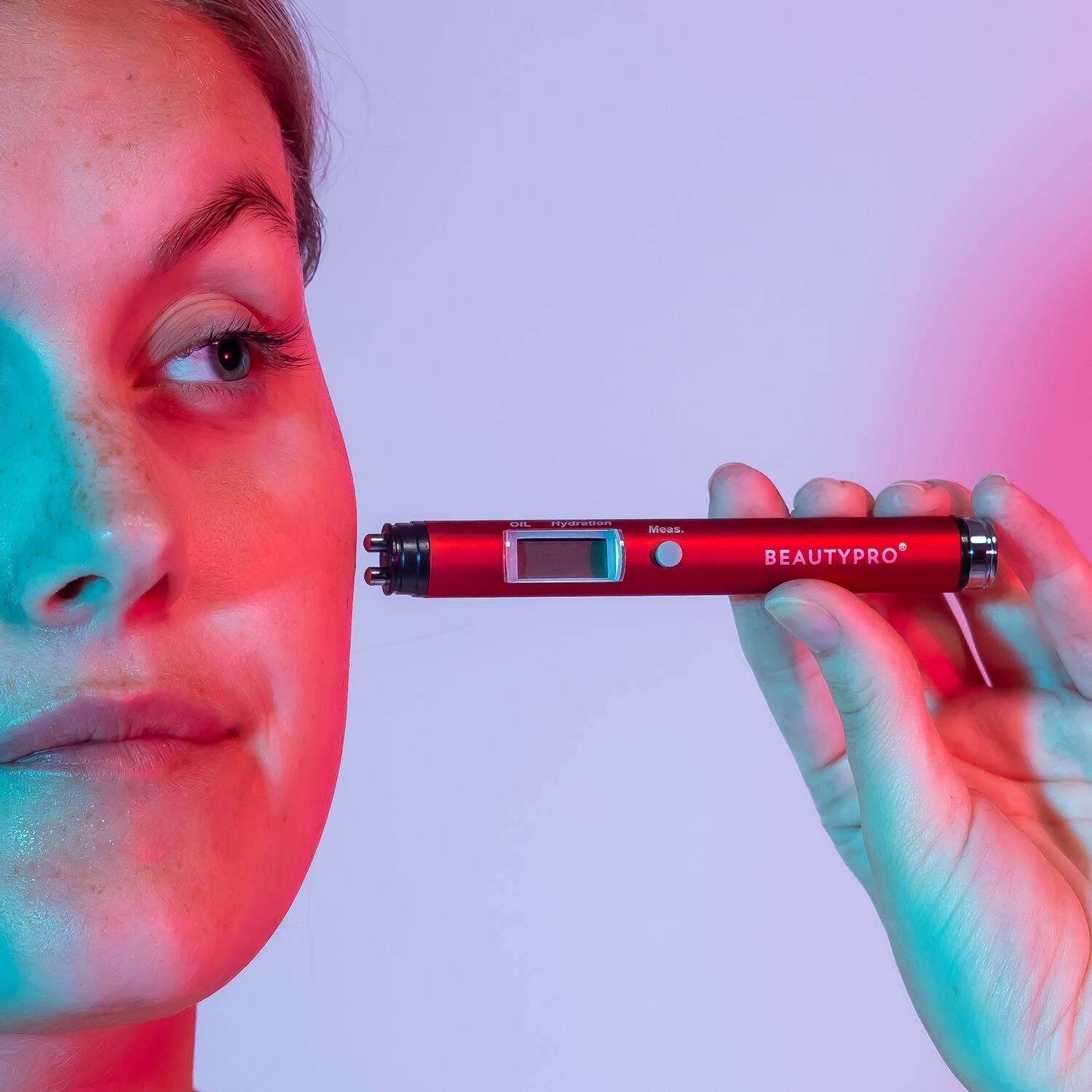
With modern skin-diagnostic tools like multispectral imaging, smartphone-based AI skin analysis, and hydration/oil sensors, you can see real, measurable change. Skincare Pro assesses 15 skin concerns, providing dermatology-grade metrics using just your phone camera. The BeautyPro Hydratest measures hydration and oil levels, revealing what your skin needs and whether products make a difference.
These tools make micro-changes visible long before they show up in the mirror. Skincare is no longer “I hope this works.” It’s now “I can see this working.” It’s skincare informed by data, not marketing.
Will we see skincare brands move into selling at-home diagnostic tools to prove their products work?
I Tried a Cell Defence Supplement… and Knew If It Actually Worked
The promise of anti-ageing might be the oldest hope in all human history. From a daily pill to a daily helping of kimchi, today’s anti-ageing solutions range from folk to pharmaceutical.
And as supplements and health tracking have grown more advanced, consumers can now build their own fountain of youth with a combination of health trackers and once-daily pills.
Take Bayer’s Age Factor healthy-ageing ecosystem. It includes a once-daily cell defence supplement, a wellness app, and saliva test, giving users a detailed window into something we do every day: age.
Then there’s WHOOP, a wearable biometric tracker and app that tracks sleep, fitness metrics, and hormonal shifts, combining these factors into a ‘WHOOP Age’: a picture of the user’s health compared to the average health of people years younger.
Imagine taking a cell defence supplement like Age Factor and seeing your WHOOP Age slow down even as your years on this earth tick steadily upward. It’s proactive health powered by curiosity, not fear.
The Big Shift: We’re all becoming experts on our own bodies
This isn’t about gadgets. It’s about agency.
For the first time, at home, we can make a change, measure its impact and refine.
This is self-optimisation grounded in truth, not trends. And it changes our relationship with our bodies completely. These new tools allow us to finally understand ourselves not through wishful thinking but through daily proof.
No more guessing. No more hoping. No more waiting. We can now see the changes, the small ones that compound into transformation. And only what works will survive and thrive.
The invisible is becoming visible. And that changes everything. One experiment at a time.