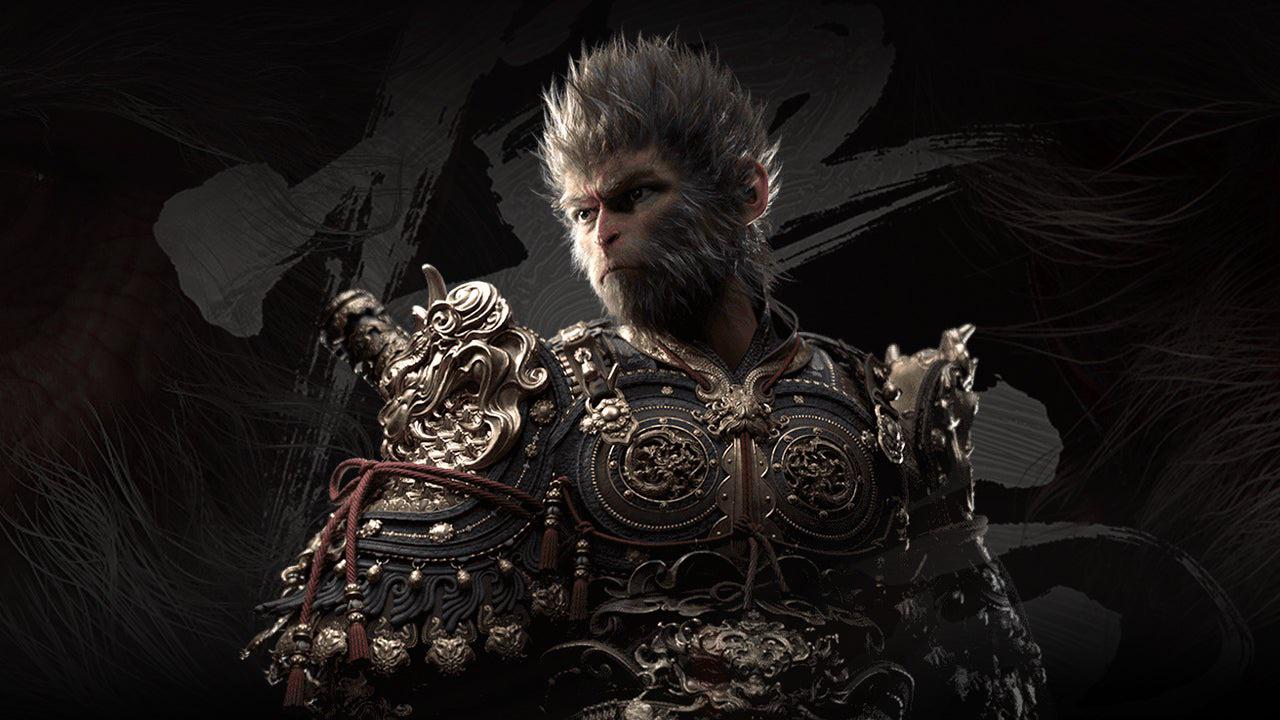

Global conversations about China over the last few years have centred on the country’s innovation in tech: EVs, robotics, infrastructure, AI. Much of the world is watching China’s rapid acceleration with a mix of admiration and apprehension. But the focus on engineering and hardware can obscure something quieter and equally important. China isn’t only innovating in tech. It’s innovating in culture: in storytelling, myth, and imagination.
In games, this shift is already visible. Over the past year, Chinese games have been steadily capturing international attention not for imitating familiar Western formats, but because they offer something emotionally and culturally different.
This is why the viral hit Black Myth: Wukong remains worth examining even a year after its release. With its global success, the game supercharged a broader pattern of Chinese games drawing in Western audiences. Looking at Wukong now helps reveal how Chinese storytelling is evolving – and why these shifts matter for industries far beyond gaming.
Black Myth: Wukong is a massively popular Chinese action-adventure RPG (‘Role-Playing Game’, where players move through a character-driven story) rooted in Journey to the West, one of the four great classical novels in Chinese literature. Its storyline draws on centuries of folklore, philosophy and spiritual symbolism. With over 25 million copies sold (including 7.5 million outside of China), it has quickly become one of the most globally successful Chinese games ever released.
A moment of Western storytelling fatigue
Wukong arrives at a turning point in Western entertainment. Superhero storylines are stretching into endless variations, franchises are repeating themselves, and Hollywood remakes appear more often than new stories. These once-reliable formulas are beginning to feel worn out. There’s a tangible sense of fatigue among Western audiences: it’s there in social media rants and YouTube essays unpacking how ‘feel-good films’ don’t feel good any more, or how the ever-expanding Marvel multiverses have begun to lose their shine.
In this context, Wukong’s rise begins to make sense. The game's sense of scale aligns with what Western audiences have long enjoyed. Yet the setting, shaped by Chinese folklore rather than Western fantasy, gives it a distinctive, intriguing unfamiliarity. But Wukong’s Chinese sensibilities are more than just set dressing.
A familiar structure with unfamiliar logic
Structurally, Wukong looks familiar: a third-person camera, a lone hero, cinematic fights. But the deeper you go, the more it becomes clear that the worldview shaping the game is different. The protagonist is not a Western-style hero driven by individual purpose, but someone moving within a lineage shaped by obligation, ancestry and reciprocity. Players describe the experience as mesmerising, confusing, unexpectedly moving. Typically, boss fights end with the player triumphing over a beast or an enemy unworthy of compassion. But in Wukong, many players walk away from these fights feeling reflective rather than triumphant, noting how animations often reveal hesitation or sorrow instead of pure aggression.
"When I finally reached the boss Erlang Shen, I was overwhelmed with emotions. I felt both sad and like seeing an old friend. He would wait for you to heal, let you make your moves, and ultimately, he was just teaching you, the descendant of his old friend, how to fight and inherit Wukong's will. Every time I fight Erlang Shen, I deliberately switch to a weapon one level weaker, to better reminisce with my old friend. This is the battle I enjoy the most." -@jiantibawang
The game’s loving attention to detail deepens this impression. In-house poems flicker across menus, music draws on nostalgic Chinese songs, and tiny cultural gestures, like pausing to make an offering at a mountain shrine, are woven seamlessly into the gameplay.
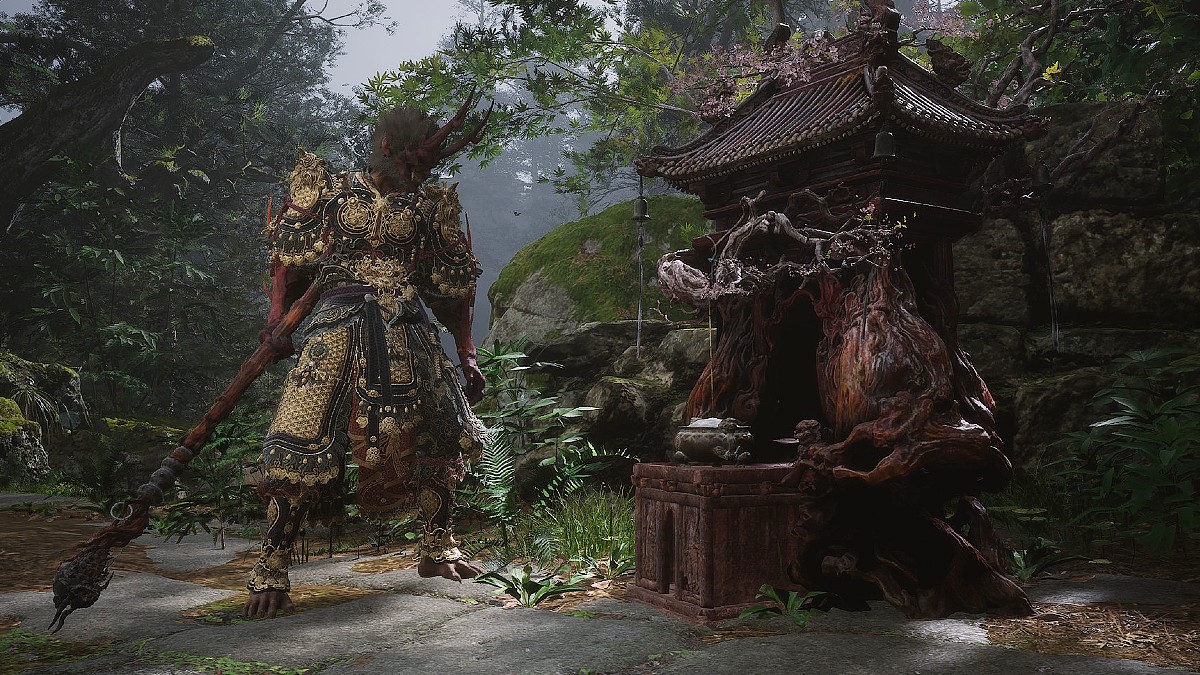
Wukong does not simplify its source material for global audiences. It preserves the philosophical spirit of the classical epic: fate rippling across lifetimes, blurred moral boundaries, lifelong regrets and sacrifices, heroes and villains seeking redemption or a place in the sun. These ideas resonate with contemporary Chinese storytelling and intrigue international audiences anew.
For Western players, this style can feel opaque at first. The narrative is not meant to be mastered immediately. It is intended for immersion: a slower, more contemplative structure that stands in sharp contrast to many Western games and films.
A wider cultural appetite for something new
Part of the game’s resonance comes from a broader cultural moment: a rising curiosity about Chinese culture itself. From new beauty brands to fashion houses to streaming dramas, Chinese stories and aesthetics are entering Western consciousness not as curiosities but as fresh alternatives. There is a sense that Western cultural production is circling familiar ground, and that new emotional worlds — shaped by different philosophies, myths and aesthetic traditions — offer something fresh and resonant.
For brands, this shift signals that Chinese cultural expression is becoming a global emotional language, not a niche interest.
Chinese games like Wukong tap into this directly. Their worlds feel intricate and unfamiliar in ways that make them memorable. They offer an imaginative space outside the patterns Western entertainment has repeated for years — and that difference itself becomes part of the appeal.

A future of Chinese innovation
Plenty of hit games have followed Black Myth: Wukong, but its global success continues to reverberate. By looking at it again, we can see more clearly what’s changing. The game stands as a powerful example of China exporting not just software, but soft power: a narrative language steeped in heritage, innovative design, and a distinctive emotional rhythm.
This is also why Wukong feels important beyond gaming. It sits within a wider wave of Chinese culture that is beginning to travel across borders. Western audiences are encountering Chinese culture not through museums or textbooks, but through the worlds they spend time in: games, beauty, fashion, sport, and entertainment.
More and more, we’re seeing how Chinese innovation today isn’t only technological. It’s increasingly cultural. Wukong’s thoughtful world-building, philosophical depth and emotional subtlety reflect this shift, showing how heritage and imagination are becoming active sites of experimentation. It’s a reminder that China’s creative momentum is rising alongside its technical one, and that in a landscape hungry for new stories, perspectives and emotional experiences, these culturally rich worlds may be pointing toward what comes next.
References
- https://www.tandfonline.com/doi/full/10.1080/02560046.2025.2484450
- https://www.polygon.com/review/440941/black-myth-wukong-review/
- https://www.economist.com/business/2025/12/03/from-micro-dramas-to-video-games-chinese-entertainment-is-booming
- https://radii.co/article/black-myth-wukong-influences-much-more-than-the-game-world
- https://radii.co/article/where-winds-meet-rpg-winning-over-global-gamers