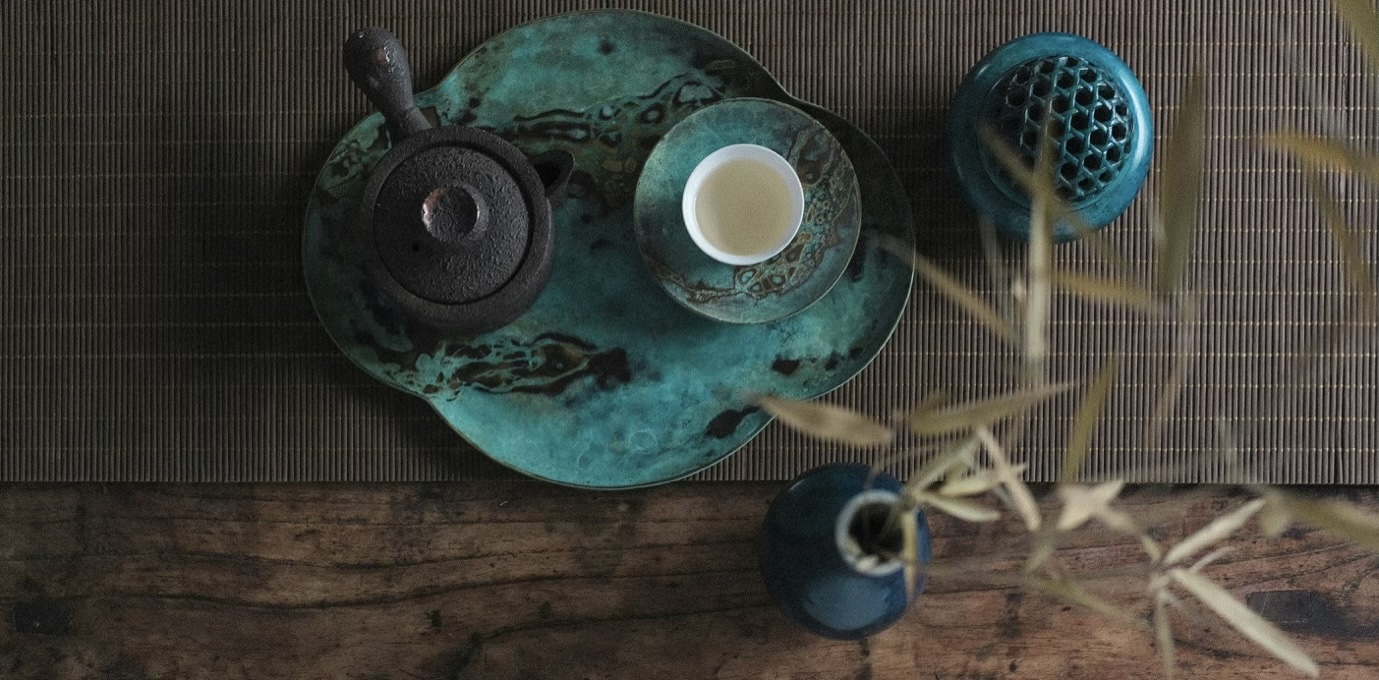

Chinese culture isn’t going global the way trends usually do. It isn’t being consumed from a distance, admired in an airport terminal, or flattened into aesthetic borrowing. For a growing audience in the US, UK, and beyond, it is being practised.
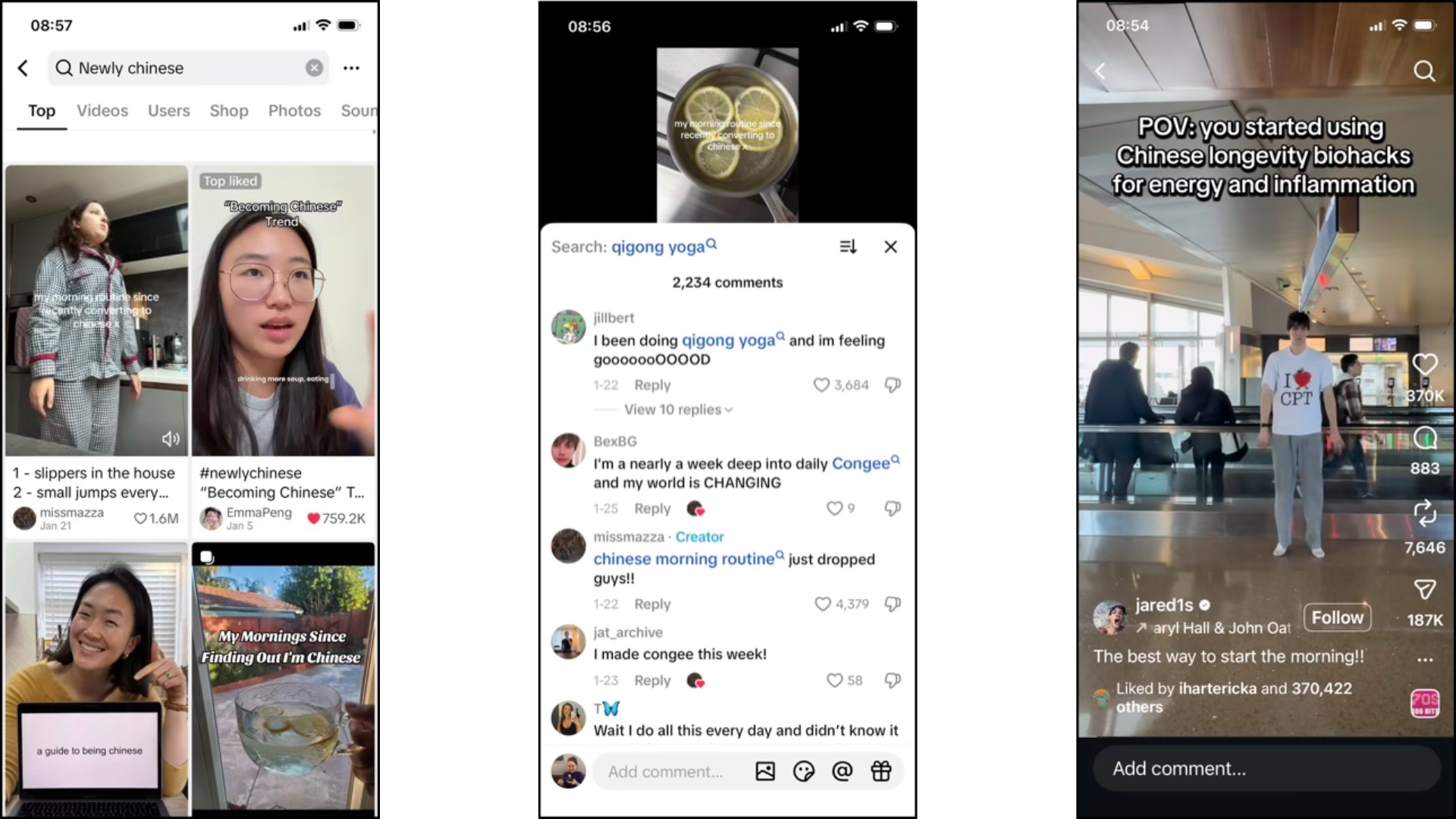
People are filming themselves drinking hot water instead of iced, eating zhou for breakfast, following baduanjin qigong routines from thirty-second tutorials. While the labels shift — “Chinamaxxing,” “Becoming Chinese” — the behaviour is consistent.
Chinese culture is being treated less as something to observe, and more as something people can do.
That distinction matters enormously for brands. Because the moment a culture shifts from spectacle to practice, the rules of engagement change.
Why China now?
Chinese-origin wellness practices have been present in Western life for decades. Acupuncture, tai chi, and traditional medicine have all had their ambassadors for over a century. What has changed is the way people can engage with it all. Today, adopters have frictionless access to practice.
TikTok Creative Centre data suggests consistent volume: #mandarin: ~1K posts in the past week; ~892K overall.
Practices that once required classes, specialists, or niche communities can now enter daily life through creators and micro-tutorials. Discovery and adoption are compressing into internet-native timeframes: checking the dos and don’ts in the Year of Fire horse based on their own zodiac animals; Thirty seconds of baduanjin to start your day; a quick recipe to help maintain healthy and strong hair using black sesame.
When American users flooded onto Xiaohongshu (RedNote) ahead of the TikTok ban in January 2025, something instructive happened: Duolingo reported 216% year-on-year growth in new Mandarin learners in the US within weeks, a spike explicitly linked to RedNote adoption. People didn’t just look at a Chinese platform; they tried to learn the language as well.
This is participation in action. When exposed to a new cultural environment, a significant number of people don’t just observe; they reach for a more authentic way in.
Why are people seeking participation?
Chinese cultural practices slot neatly into what Western audiences are currently hungry for. The dominant mode of Western self-optimisation via biohacking, quantified-self culture and wearable tech promised control, and for some has delivered anxiety instead. Chinese wellness behaviours land differently, and it’s worth understanding exactly why.
First, the entry point is always a behaviour, not just a purchase. Follow a seasonal calendar. Choose a soothing scent while cleaning up the house before the new year. Make a calming soup to transit from winter to spring. The barrier to entry is often lower in cost and effort, and because the practices are inherently repeatable and filmable, they circulate well. New behaviours are socially reinforced through the same mechanisms that make any habit stick: accountability and repetition.
What sustains them beyond novelty is that they carry symbolic weight without demanding ideological commitment. Zodiac cycles, seasonal logic, and the mapping of food to health outcomes all offer a framework to inhabit rather than a belief system to adopt wholesale.
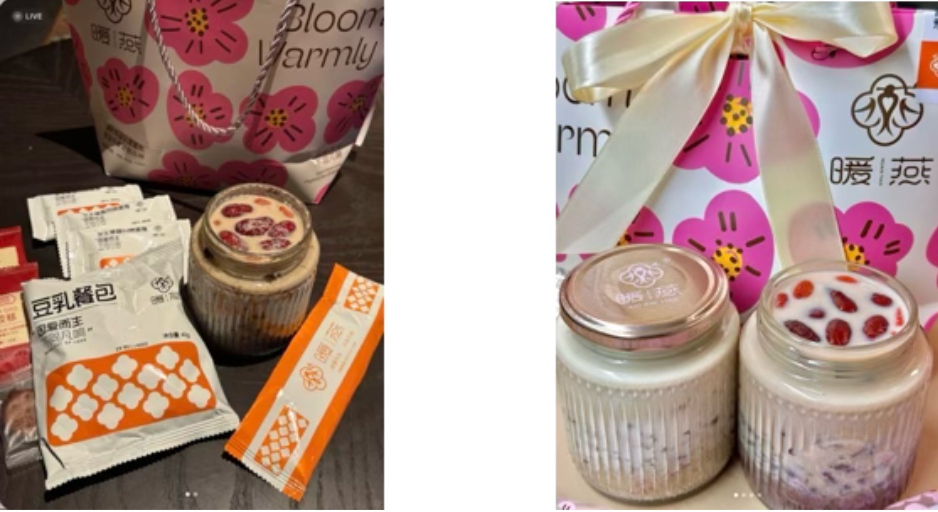
In China, nourishment is routinely mapped to seasons and symptoms. Overseas, that framing is being rediscovered as a cultural life hack, particularly in women’s health, where soups, teas, and warming routines offer an alternative to expensive supplement stacks. The true novelty isn’t the practices themselves. It’s that ancient frameworks are being repackaged into modern formats that are explained in short clips.
Brands leaning into behaviours
Consumers’ desire to shift from observation to participation signals a wider shift in engagement that brands can learn from.
Practice led: what can we give people to do?
The temptation, when a cultural wave builds, is to borrow its visual language. For China, it’s always been red packaging, zodiac imagery, Chinese New Year activations. But what’s actually travelling is something more functional: a practice someone can pick up and do. Brands that design for participation — a ritual, a routine, a recipe, a particular way of using the product — will build something more durable than brands that design for admiration.
Authentically connected: where can a new lens reframe a category?
Not all of Chinese culture is relevant to every category and brand. Generic “Chinese-inspired” positioning signals aesthetic borrowing, not understanding. However, there are some categories with authentic connections to the emerging shifts. Categories where seasonal thinking or food-as-medicine framing are already part of the territory have a genuine connection, not just a borrowed one. For insight teams, it’s about understanding which consumers are already seeking these behaviours, even without the cultural label attached.
Unfiltered: don’t adapt and don’t dilute
People are not expecting Chinese culture to be softened for their comfort. They’re actively seeking cultural specificity. They want the depth and unfamiliar vocabulary. Being distinctly, specifically Chinese is a commercial advantage in this moment. For Chinese brands the brief isn’t to make a brand feel more Western. Being authentic is what’s interesting. Instead, the challenge is how to make participation feel accessible.
The cultural signals to track
The most durable indicator of culture shifts isn’t social trends it’s language. Duolingo’s 2025 Language Report identifies Chinese as one of the fastest-growing languages of study in the US. In the UK, the Mandarin Excellence Programme now supports over 8,000 secondary school pupils across 76 schools in a structured, long-term investment in cultural access, not a fleeting moment of curiosity.
When people learn a language, they’re not admiring from the outside. They’re preparing to participate. That’s the signal worth watching. Which languages are on the rise next?
References
- South China Morning Post; Duolingo 2025 Language Report
- DFRLab / Reuters
- Mandarin Excellence Programme (DfE / British Council)
- https://ads.tiktok.com/business/creativecenter/hashtag/mandarin/pc/en?countryCode=US&period=7