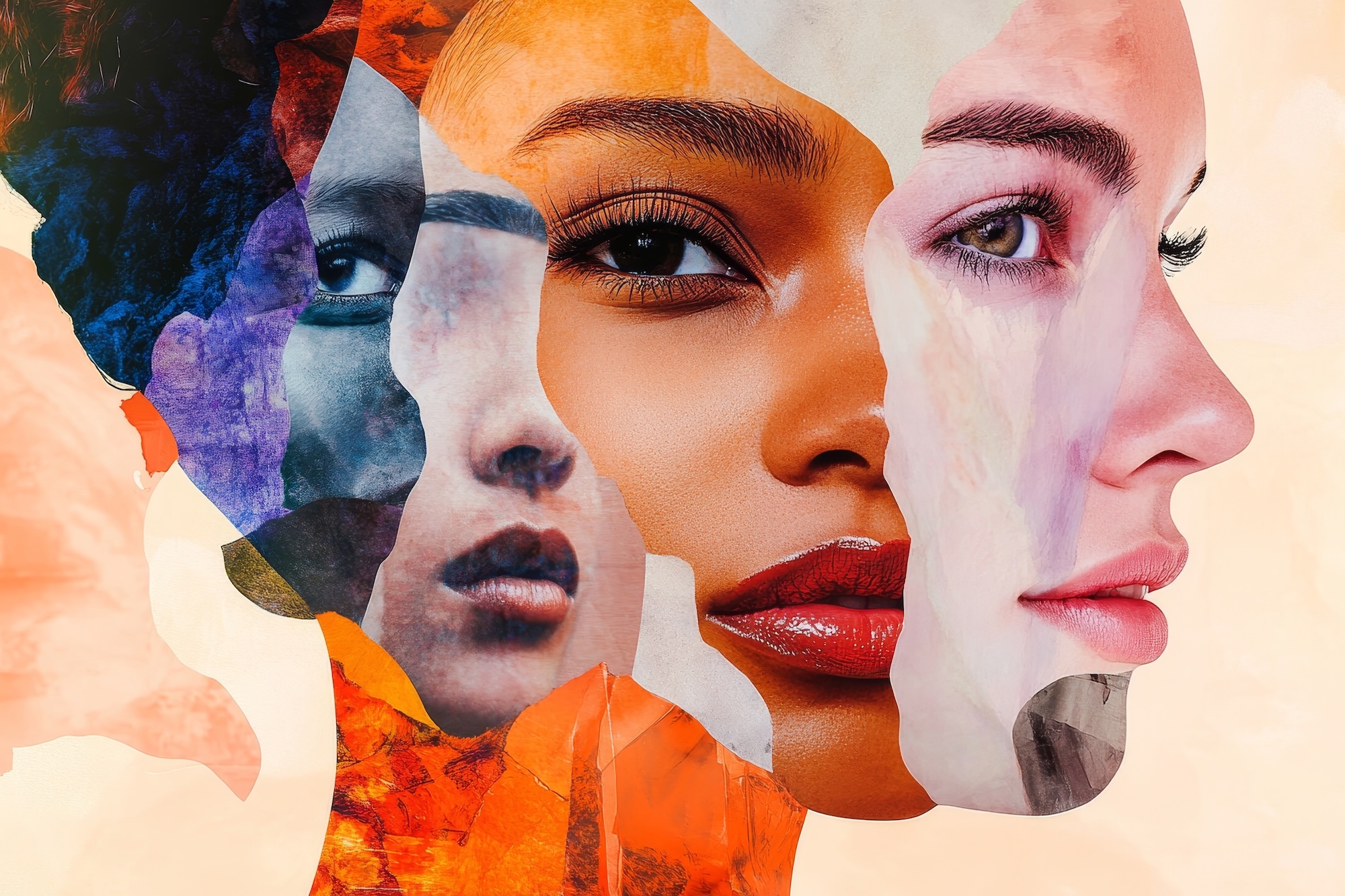
What does it mean for a brand to have a problem with women? The answer might seem simple: low adoption, low loyalty, low everything among female consumers relative to men.
The trouble is, by the time those issues are reflected in your data, you don’t just have a women problem: you had a women problem, and now women have left your brand behind entirely.
This was one of the many findings in our groundbreaking study on 2,700 women between the ages of 16 and 74. When women feel they are unseen by a brand, they don’t complain or call it out publicly; they quietly drift away from the product. This means that brands don’t catch their misalignment until the damage has already been done.
This dynamic, in which brands fall behind by resting on dated assumptions about women’s lives and their needs as consumers, is recurring and self-perpetuating. Firms make decisions based on historical data about women, which not only reinforces traditional ideas, but fundamentally misaligns brands with women who are living through a moment unlike any in recent history.
Marketing to women in this new era means imagining where your products or services not only fit into their current lives, but help to support the lives they want to live. We are living through a transformative period that will determine brand loyalty among female consumers for years to come: a moment that carries both high risk and potential opportunity cost.
To meet that moment, brands need a clear picture of what women’s lives look like today. Here are five takeaways from our Hidden Women study that provide some detail, with suggestions for how brands could rethink their approach to marketing to women in light of women’s realities.
Women are redefining what it means to be a woman
An overwhelming 82% of women across all ages, income levels, and ethnicities say that what it means to be a woman is fundamentally changing. A little more than half agree that you don’t need a partner or children to feel complete, and yet a clear majority feel caught between old expectations and the new.
This isn’t something that is merely happening to women; they are acting with agency and setting new priorities for their own lives. Today independence, a fulfilling career, and financial strength rank in the top three priorities of the women, while marriage and children rank a distant ninth to twelfth on average. Close to half wish to make a dramatic change to their lives, and a majority are worried about the generation that will follow them.
These same women say that brands are failing to recognise and affirm their new priorities and worldview. They regularly encounter marketing that speaks to women as strictly mothers and caregivers and treats career women as a niche subgroup, leaning on labels that women are presumed to embrace.
In reality, women find such labels constrictive. Rather than describing how women experience themselves and the lives they live, they describe roles that women are expected to perform. Fewer and fewer women aspire to be supermoms or girlbosses. Instead, they aspire to qualities: attributes and states of being such as creativity, wisdom, and independence.
Brands would be wise to question customer segmentation that is built upon these old roles, and imagine how it might be updated to reflect how women see themselves today: ambitious, imaginative, responsible, capable.

Women are choosing independence, and independence is complicated
Independence was long considered an impermanent phase between girlhood and marriage, or else a unique lifestyle relegated to unwed women. As recently as the 1980s, many women’s workforce engagement was temporary, with the expectation that they would exit the workforce upon marriage.
Today, independence is women’s everyday reality, regardless of marital status or children. On the financial front, half of women have independent wealth. College enrolment is now majority female, and the gender gap in senior leadership in the workforce is narrowing.
As women’s priorities shift, their traditional milestones are trading places. Marriage and childbirth are occurring later in life than in previous decades; at the same time, solo women are the second-largest homebuying group in the US, at 19 million.
The obvious implication is women’s spending power has increased tremendously. By 2030, women will control $30 trillion in wealth, and women are poised to receive 70% of the $124 trillion changing hands over the course of the generational wealth transfer. Brands that continue to treat independent women as a unique demographic subset are firmly living in the past.
But the less obvious implication is that women’s lives have grown more complicated. For women to choose independence means that their lives no longer follow a linear track; interruption and hard resets are common. Their responsibilities and decisions no longer revolve around shared households. Both these realities bring forth financial complexity, boundless choice, and stress.
Yet brand messaging, products, and services are still built around assumptions of shared households, linear careers, and coupled decisionmaking, leaving many women unsupported.
This presents an opportunity for brands to reimagine customer journeys among their female consumers. For example, women bearing more responsibilities will have both greater potential to drop off between touchpoints, and more factors influencing their purchasing decisions.
Take a look at one of the most preferred brands among the women surveyed: ALO. A woman exploring options for ALO’s core product, leggings, will encounter a site that clearly defines its four flagship fabric and fit options, significantly minimising any ambiguity about its offerings. Streamlined and clear, the experience avoids bogging women down with research: the brand earns loyalty by facilitating the busy customer’s lifestyle, to say nothing of the quality of its product.
But of course, there is actually plenty to say about the quality of the product.
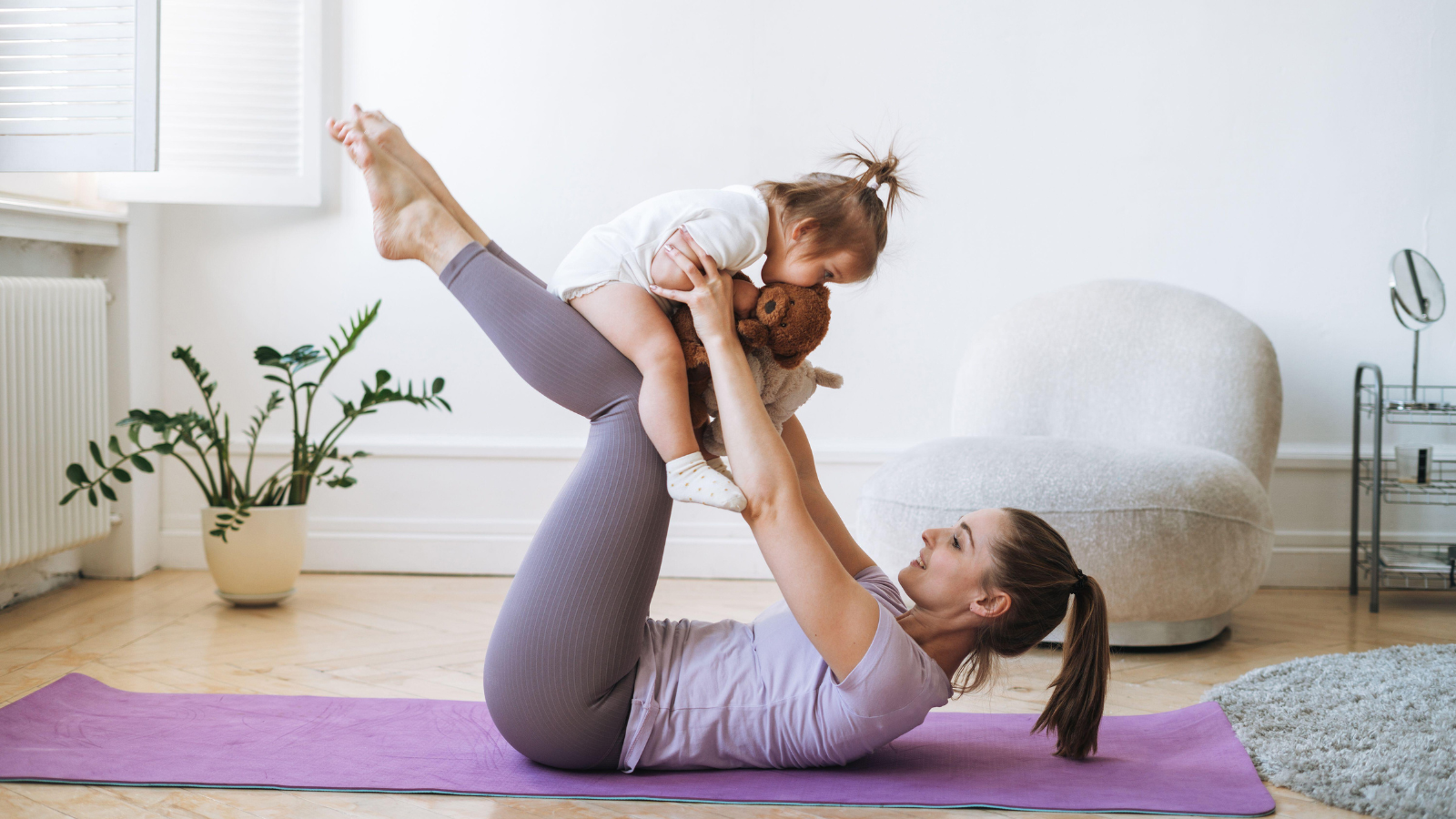
Representation starts with design, not with marketing
When women describe feeling seen, they don’t necessarily focus on advertising. For them, the product itself is proof of whether the brand sees them or not. According to our survey, only one in 10 women feel fully considered in the products and services brands put out into the world.
On a slightly macabre note: 2026 marks the first year that automakers have ever used crash test dummies modelled after the female body. That means that for decades, vehicular collision safety standards have been built around metrics relating to the male form. This is a case of half the population being overlooked in a product that virtually entire populations use by default.
Automotive is one industry where legacy players might absorb these oversights with relative ease. In the athletic space, many brands are likelier to take up the imperative to design for women’s bodies, though some may prioritise aesthetics over function.
In the beverage space, Poppi stands as a unique beacon of success. A prebiotic soda pop, the brand embedded itself in active women’s leisure spaces such as pickleball as well as in sororities, reinforcing an emphasis on activity, sisterhood, and enjoyment.
Poppi proposes health benefits without appealing to tired themes like weight loss; it is trendy without being overly slick in its aspirational appeal; and, most importantly, it tastes good. It succeeds because it holds women’s health goals in balance with a drive to enjoy the life they’re working to build for themselves.
It isn’t novelty that’s driving these brands. They are designing products with women in mind from the start — and, should they maintain that core approach, those products are likely to maintain a spot in women’s lives for many years to come. This is where risk is most acute for legacy brands.
We know this because women said it themselves.
Women are choosing which brands will succeed — right now
Our survey showed that women already know which brands are going to remain a part of their lives in the next ten years. Think about that: the top brands among women have designed their products and messaging with such great alignment to women’s lives in the present moment that they have guaranteed a decade of consumer loyalty.
Amid a consumer landscape dominated by uncertainty, it’s hard to imagine any brand would turn away from such an opportunity. And yet, that’s precisely what so many brands are doing: they’re failing to recognise that a women's strategy is a growth strategy.
Brands that trade in overly masculine, bravado-forward messaging are turning down trillions in consumer spending power, while brands that take their female consumers’ loyalty for granted are sleepwalking into a downturn. As women build new lives, the brands that help form their bedrock will build their own futures, as well.
Women are actively looking out for these brands. When legacy products and services fall more and more out of step with women consumers, demand for something new quietly builds. All it takes is one upstart brand — an ALO, or a Poppi — to tap into this demand… and once women catch on, they’ll leave the legacy brands en mass. The time to catch up is now.
For more on our Hidden Women research, check out our webinar featuring key takeaways and more insights.
Want to think more deeply about whether your brand is reaching women? Get in touch and we’ll share a series of prompts to help you self-audit your brand’s messaging, design, and positioning.