
A few years ago, longevity meant something fairly specific: lifespan, ageing well, the science of living longer. It sat firmly within medicine and wellness and was measured in years.
People are still, on average, living longer than before, and that science still matters. But very little of what now gets called “longevity” has much to do with any of this. Most of it is about something else – something else that is reshaping categories well beyond health.
This article explores how the longevity industry's expansion beyond the traditional health and wellness space reflects the shifting psychology of wellness consumers.
'Longevity' as a catch-all term for health
‘Longevity’ is showing up everywhere – in supplements, skincare, food, sleep, in lighting, even the design of our homes.
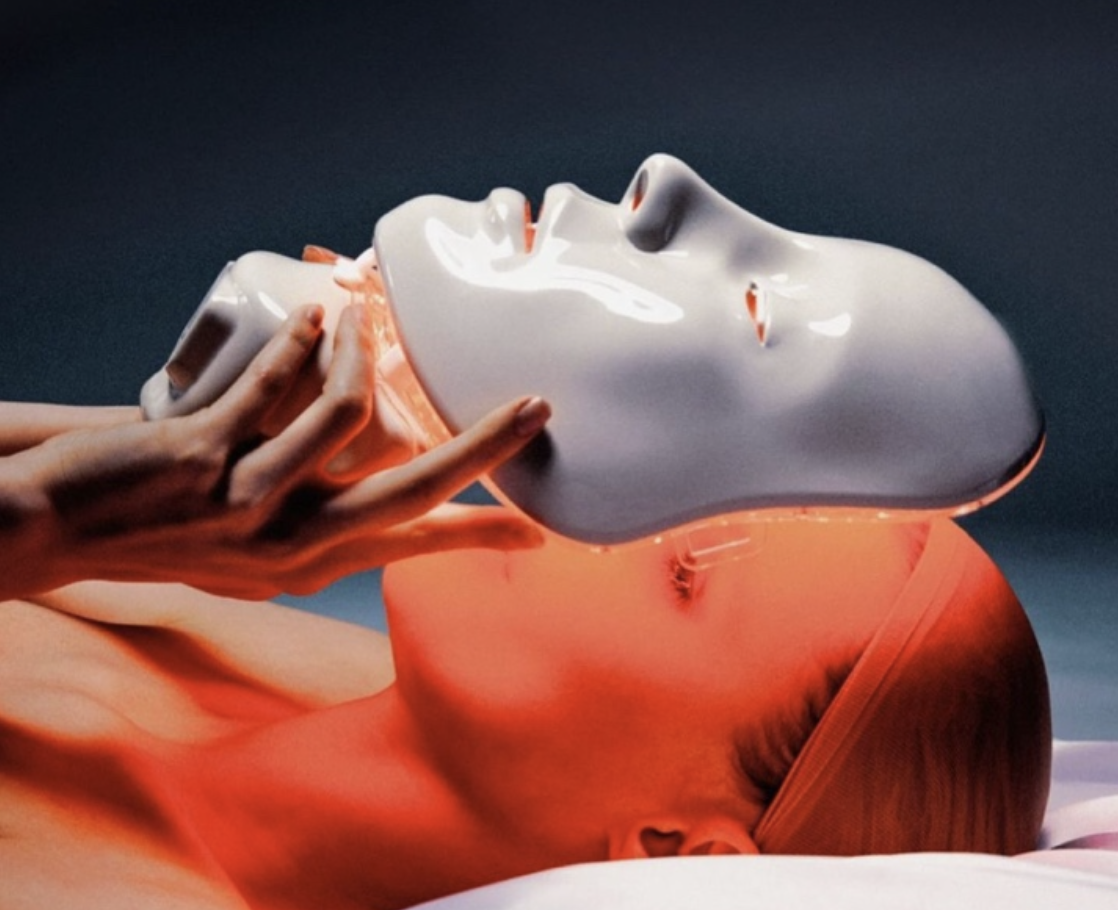
Philips Hue sells bulbs that mimic sunlight to help with circadian rhythm. Nestlé makes frozen meals for people on GLP-1 drugs who eat less but need more nutrition per bite. Red light therapy has moved out of clinics and into face masks, full body panels, even caps for hair growth.
None of this is really a single trend called longevity; it’s a catch-all term applied to a much broader shift in how people are relating to their bodies. And that shift isn’t really much about how long people want to live – it’s about how closely they’re now watching themselves.
From one metric to many
Longevity used to be measured in years; now it’s measured in everything else. Sleep scores, recovery readings, resting heart rate, HRV, gut health, skin quality, stress load – all of them offer a way to track how you slept last night or how today is going. They can be checked over breakfast and acted on before lunch.
None of these things individually can actually tell you much about how long you’ll live, because the body itself doesn’t age evenly: fertility declines, bone density shifts, and skin texture changes on relatively independent timelines (outside of certain hormonal shifts).
All of this means that there isn’t a single ageing process to track but several, each moving at its own speed, which makes any one measure of longevity feel incomplete. And yet your WHOOP will still dutifully inform you of your ‘pace of ageing’.
Longevity used to be the destination. Now it’s a real-time dashboard.
Optimisation is out, compensation is in
The industry tends to call this optimisation, as though people are pushing past their natural limits and reaching for something better than baseline. In reality, it’s closer to compensation – and increasingly, people seem to know it.
There’s a growing awareness of what modern life is doing to the body. Screen time is linked to eye strain, disrupted sleep, and cognitive fatigue. Ultra-processed food is tied to gut health, and in turn to mood and energy. Stress is no longer something occasional but something ambient, running quietly in the background.
Many of the products emerging in this space respond directly to that awareness. Blue light glasses reflect how much time we spend on screens, circadian lighting addresses how little natural light we get, and gut health products, sleep tracking, and stress protocols all point to a shared recognition that something is off, even before it becomes a problem.
These behaviours aren’t about pushing the body beyond nature so much as trying to claw back what everyday life appears to be taking away. Longevity, then, is less about optimisation and more about staying level: holding things steady in an environment that is constantly pushing you off balance.
Longevity is no longer about empowerment
Most of this is still talked about as if people consciously decided to take control of their health. In reality, it hasn’t quite happened that way. The systems came first, and people have been responding to them.
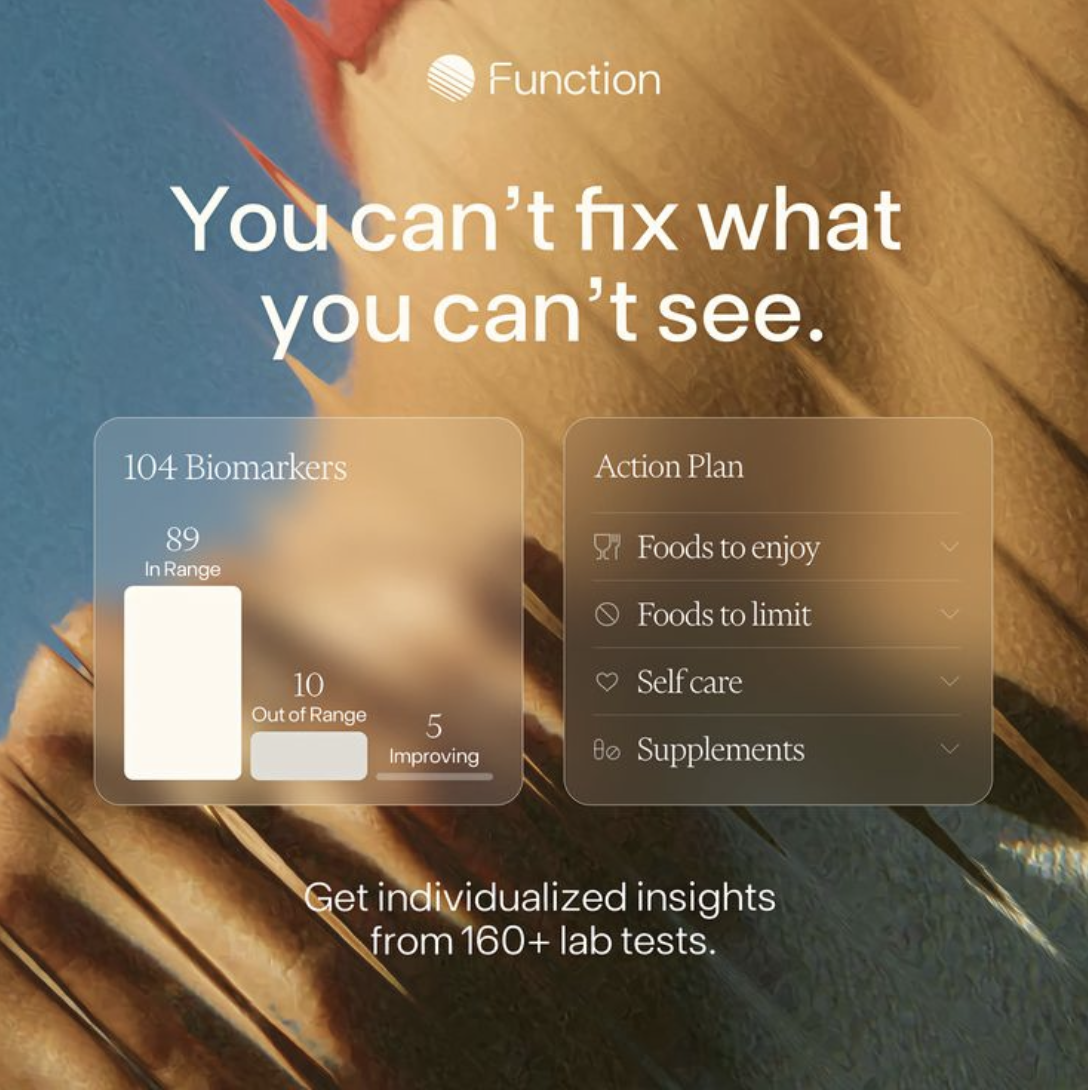
The longevity dashboard didn’t emerge because people suddenly wanted more control, but because the body became more visible. Wearables turned sleep into a score, apps translated stress into a graph, and GLP-1 drugs began to reshape how hunger is experienced, as hormone tracking is starting to do the same for cycles, energy, and mood.
As more of the body becomes legible, it becomes harder to ignore. What begins as information quickly turns into something to act on, often with an implied expectation to keep up.
The question has shifted: from how long we want to live to how closely we feel we need to watch ourselves.
When 'healthy' stops being the goal
Health used to be something you addressed when it became a problem – you felt bad, you did something about it.
That line is becoming less clear. People now track their sleep even if they haven’t had difficulty sleeping, adjust their diet without a diagnosis, and change their routines before anything has actually gone off course.
This reflects a growing sensitivity to small signals in the body, and a willingness to act on them earlier.
Health, in that sense, has shifted from a state to something more continuous – an ongoing process, something to monitor rather than resolve.
The pressure that comes with this is different. There’s no shared definition of what “good” looks like anymore, only a set of metrics to keep improving. Living longer starts to feel less like the goal; keeping up with yourself takes its place.
Where this leaves longevity
So longevity has become difficult to define, and it’s increasingly hard to ignore.
It isn’t a goal, an audience, or even a clear behaviour so much as a condition. The body is watched more closely; that watching gets broken into parts; each part becomes something to tune. That's why longevity appears everywhere: maximising for all these parts demands a wide variety of products.
Longevity is an intervention that permeates all of ordinary life – so it stands to reason that such products will show up in every space.
Takeaways for the longevity industry and beyond
What people are calling a longevity trend is really a shift in expectation.
Products are now expected to do more than just ‘work’ – they have to support the body, often in ways that go beyond their original function. Lighting brands compete on circadian alignment, food brands on nutrient density for smaller appetites, and beauty brands increasingly frame skin as a signal of what’s happening beneath the surface.
In each case, the brief has evolved from ‘What does this product do?’ to ‘What does this product help repair, support, or stabilise?’
The brands that succeed here won’t be the ones that simply slap the word longevity onto what they already offer. They’ll be the ones that answer a more precise and demanding question: Where, exactly, do you sit in how I manage myself?
In the next piece, we’ll look at how this shift is already reshaping categories – from beauty to food to the home – and the new codes that are beginning to emerge as a result.